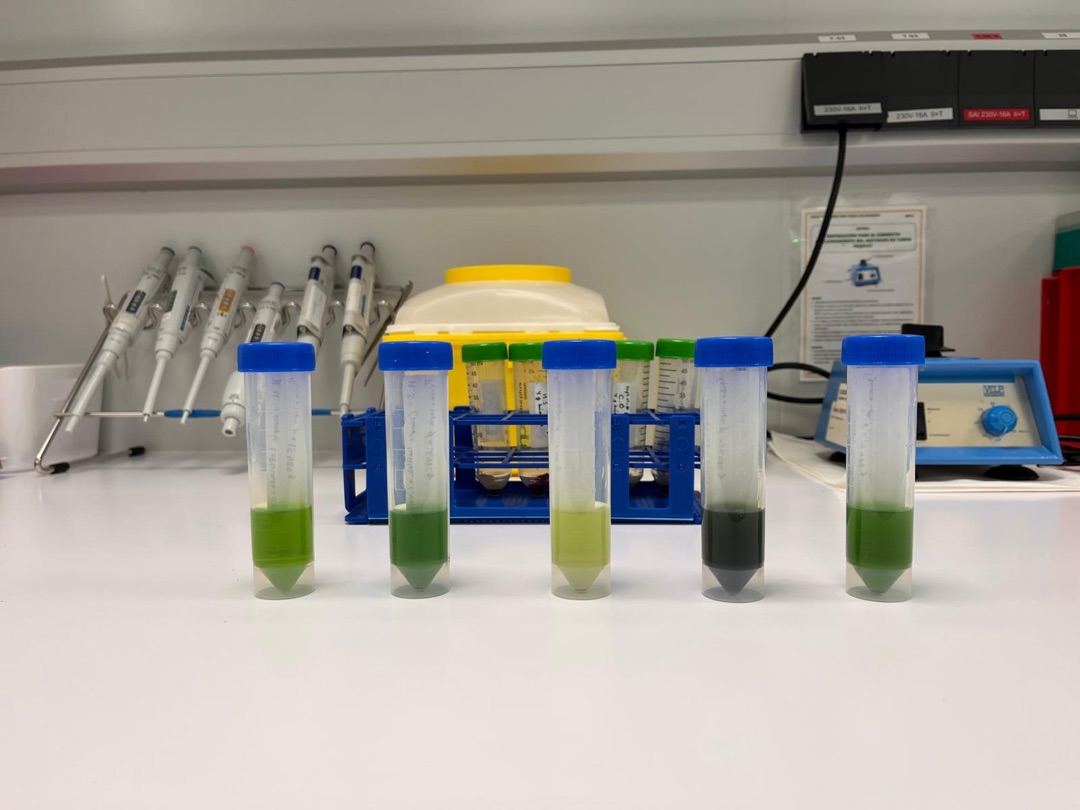
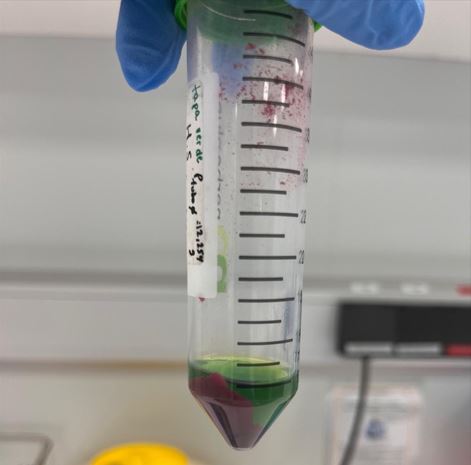
Laboratorio Cifga continues to push the boundaries of marine biotechnology. Our
latest work applies semi preparative HPLC to macroalgae extracts, generating
clean, polarity resolved fractions that open the door to new opportunities in
metabolomics and bioactivity research.
From complex extracts to defined fractions
Marine macroalgae contain a highly diverse range of metabolites, including compounds with different chemical properties and polarities. This complexity can make the characterization and subsequent study of individual components challenging when working with crude extracts.
By applying semi-preparative HPLC, complex macroalgae extracts can be separated into fractions with distinct chromatographic profiles. This approach facilitates the progressive reduction of sample complexity while preserving a broad chemical diversity for subsequent analytical and biological studies.
Precision in Every Step. Through a targeted analytical workflow, we
characterized extraction performance and chromatographic behavior across
several macroalgae species—building a robust foundation for discovering high
value marine compounds.
The combination of optimized extraction and chromatographic separation is particularly relevant when comparing different macroalgae species or evaluating variations in their chemical composition. Understanding how compounds behave throughout the workflow helps establish reproducible fractionation strategies and provides valuable information for further characterization.
This analytical approach also creates a connection between chemical profiling and downstream applications, allowing selected fractions to be prioritized according to their composition or potential biological activity.
High Quality Fractions for High Impact Innovation. Our optimized fractionation
method ensures reliable separation of diverse metabolites, supporting the
development of enriched natural product libraries and accelerating R&D
pipelines focused on marine bioactives.
These enriched fractions can serve as versatile starting materials for further analytical characterization, compound identification and bioactivity screening. Rather than working exclusively with highly complex crude extracts, researchers can focus on fractions with more defined chemical profiles, facilitating the identification of candidate compounds and supporting more targeted investigations.
The resulting fraction libraries can also contribute to the systematic exploration of marine natural products, providing a structured resource for research programmes focused on new molecules and bioactive compounds.
Driving Innovation in Blue Biotechnology. This work strengthens the bridge
between marine biodiversity and applied science, empowering researchers and
companies seeking novel bioactive molecules with clean, well defined
chromatographic fractions.
Supporting the exploration of marine natural products
The study of macroalgae is gaining relevance within blue biotechnology as researchers continue to explore marine organisms as sources of compounds with potential applications across different fields. Advanced analytical workflows are essential for translating this biological diversity into usable scientific knowledge.
At Cifga, the integration of analytical expertise, chromatographic techniques and knowledge of marine matrices allows us to contribute to this process from sample preparation and fractionation through to the generation of well-characterized materials for further research.
By developing reproducible approaches for the fractionation of macroalgae extracts, this work contributes to a more systematic exploration of marine chemical diversity and supports future research into the identification and characterization of novel marine-derived compounds.
From marine biodiversity to research opportunities
The potential of macroalgae extends beyond their ecological importance. Their chemical diversity represents a valuable resource for researchers investigating natural products, metabolomics and bioactivity.
With advanced chromatographic profiling and fractionation strategies, complex marine extracts can be transformed into better-defined research materials, helping researchers move from broad chemical screening towards more focused studies.
This work is another step in Cifga's commitment to applying analytical science to the exploration of marine resources and to supporting innovation in blue biotechnology.
.jpg)